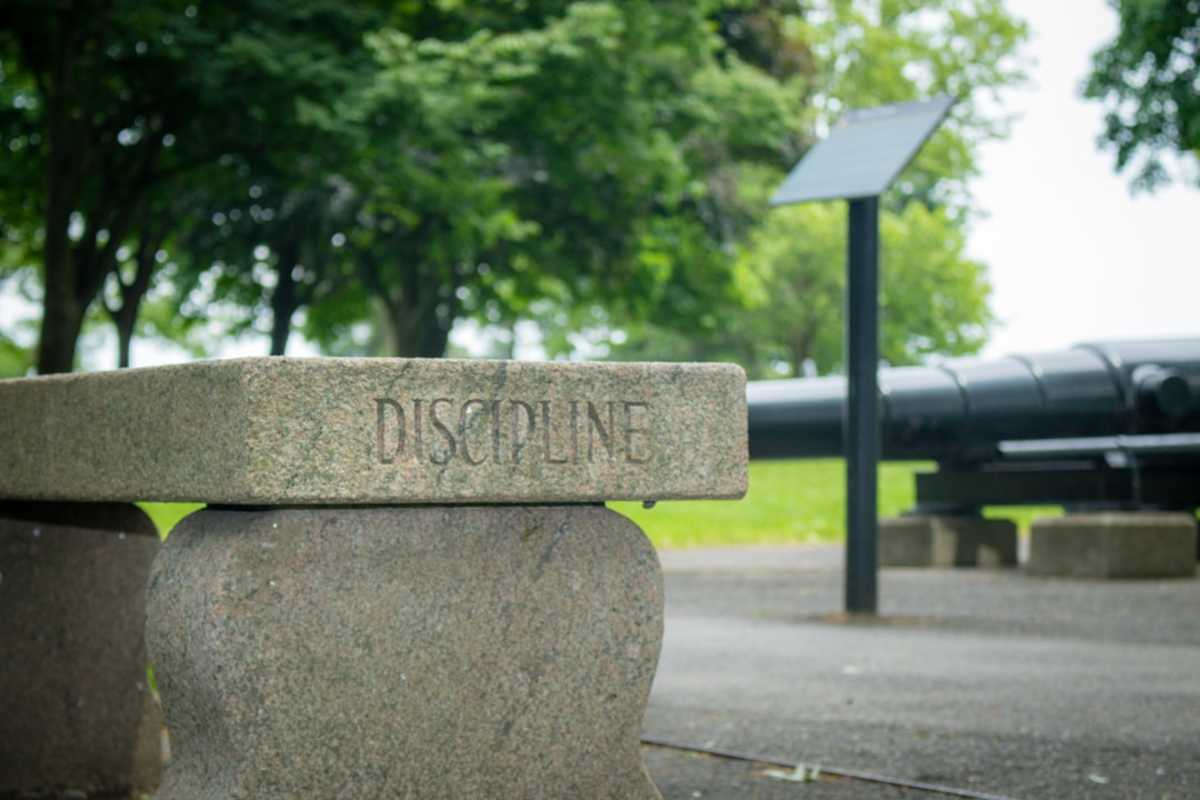
When most people hear the word self-discipline, they imagine sacrifice.
They picture early alarms… rigid routines… forcing themselves into action.
- It feels like a grind.
- A chore.
- A constant battle of “should do” versus “don’t want to.”
But what if that view is outdated?
What if discipline didn’t feel harsh, but light, energizing, and even enjoyable?
You don’t need to turn life into a boot camp to hit big goals.
Instead, you can build discipline by working with your brain’s design — not against it.
So the real question becomes:
How can I strengthen self-discipline without endlessly fighting myself?
Let’s break it down.
Why Willpower Isn’t Built to Carry the Load
The “push harder” approach sounds bold but it burns out quickly.
Willpower is powerful… but it’s also temporary. Treat it like fuel: use it sparingly and strategically.
The most disciplined individuals aren’t constantly pushing. They’re designing systems that make action easier to take. They rely on structure, not strain.
Once discipline becomes part of a rhythm, it stops requiring force.
You’re no longer fighting for consistency… you’re falling into it.
The Psychology of Friendly Discipline
There’s a big gap between restriction and guidance. Discipline isn’t about punishment. It’s about direction.
Your brain is wired to repeat whatever feels satisfying. So if discipline = stress… your brain will push away from it over time.
That’s why pairing focused work with small rewards is so effective:
- Play music while tackling hard tasks
- Take a 5-minute walk after deep work
- Let yourself enjoy a favorite snack after finishing your goal
Every reward releases dopamine — which strengthens the habit loop.
The lesson?
Discipline lasts longer when it feels rewarding, not punishing.
The Momentum Trick: Start Small
You don’t need a life overhaul. In fact, that usually backfires.
Instead, build what I call micro-momentum — small, easy wins:
- Read one page
- Do one stretch
- Write a few sentences
- Review a single note
The goal isn’t the result. It’s the rep.
Every tiny action tells your brain: “I keep my promises.”
That builds identity — the real foundation of discipline.
- Small wins accumulate.
- Consistency compounds.
- Progress becomes inevitable.
Make the Right Path the Easy Path
Often, we don’t struggle with motivation — we struggle with friction.
If a good habit requires too many steps to begin, it rarely happens.
If a distraction is one tap away, it almost always wins.
High performers solve this by engineering their environment:
- Put your phone in another room
- Lay out workout clothes the night before
- Open your writing software first thing in the morning, not your social feed
The less effort it takes to begin, the more likely you’ll continue.
Setup beats motivation every time.
Photo by Matthew Waring on Unsplash

Reward Progress Over Perfection
People who stick to good habits rarely chase flawless performance. They chase momentum. And they celebrate it.
That celebration is reinforcement. It tells the brain, “Do this again.”
Try:
- Tracking streaks
- Journaling wins — even tiny ones
- Saying “That was a good effort” out loud
It may feel simple, but it rewires your thinking.
Perfection is exhausting. Progress is motivating.
👉 Which one do you think lasts longer?
Self-Compassion: The Unsung Power Tool
Many people quit when they slip… not because of the slip, but because of the self-criticism that follows.
Top performers don’t hold on to guilt.
They diagnose. They adjust. They continue.
Ask:
- What threw me off?
- What could I change next time?
- How quickly can I reset?
This mindset isn’t weakness, it’s recovery.
Self-compassion isn’t soft.
It’s strategic resilience.
When Discipline Becomes Flow
At some point, discipline stops feeling effortful and starts feeling automatic.
That’s when momentum pulls you forward.
It’s the state of flow:
- Distractions fall away
- Time moves differently
- Work becomes immersive
To reach this state faster:
- Match complex tasks with high-energy hours
- Block distractions before working
- Focus in short, powerful bursts
When engagement replaces obligation, discipline stops being a chore and becomes a source of power.
Routines Win Where Rules Fail
Rigid rules break easily. Flexible routines bend and survive.
- “I must write every day at 6 AM” invites guilt the moment it doesn’t happen.
- “I usually write in the mornings” is resilient. It adapts. It lasts.
Think of routines as rails, not cages.
Their job is to keep you aligned, not limited.
The goal isn’t to become mechanical.
The goal is to move with intention.
The Identity Shift: The Real Key to Discipline
The biggest turning point is identity. Discipline sticks when it becomes part of how you see yourself.
It’s the difference between:
“I’m trying to be disciplined.”
and
“I’m the type of person who follows through.”
One is effort. The other is identity.
So…
- Start simple.
- Design your space.
- Reward your progress.
- Build reliability with tiny actions.
You’re not chasing discipline to suffer. You’re using discipline to create the life you want with more clarity, power, and freedom.
Because real discipline doesn’t restrict you.
It unlocks you.
What's Next?
If this message sparked something deep inside you, that created a quiet urge to take back control of your focus, your time, and your life... then I’d love to help you keep the momentum going.
Subscribe to Dr.Mani’s HOW TO FOCUS newsletter for short, practical ideas you can begin to use right away.
✨ Sign up free today at EzineMarketingCenter.com
Still, focus isn’t always about working harder. It’s also about working with clarity. The Time Mastery Project offers you a clear vision of what to do – and when.